
Peak demand charges
Power peaks, even if they last minutes, determine the entire month's peak power charge. A BESS delivers stored energy during those critical moments, reducing the maximum billed demand.
Peak demand charges can represent a significant portion of the industrial electricity bill. CESC BESS systems store energy during off-peak hours and release it during peak hours, reducing the real cost without changing the production process.
In Chile, electricity rates include a peak power charge calculated on the maximum demand recorded in the month. A single high-demand event — machinery startup, climate control system, full-load production — can increase the entire bill for that period.
High consumption variability or processes that generate significant electrical demand peaks.
Power peaks, even if they last minutes, determine the entire month's peak power charge. A BESS delivers stored energy during those critical moments, reducing the maximum billed demand.
Energy purchased during peak hours is significantly more expensive. A BESS system charges during low-rate hours (nights, weekends) and discharges during high-rate hours, reducing the average cost per kWh consumed.
For critical operations, an electrical outage means production loss, product loss or risk to people. BESS systems act as an instant energy backup with millisecond switching.
With your organization's consumption profile, Cynersis calculates the savings opportunity and projected payback. No cost at the evaluation stage.
Cynersis implements CESC BESS systems with proprietary EMS software that automatically optimizes operation according to the electricity rate, consumption history and each organization's objectives.
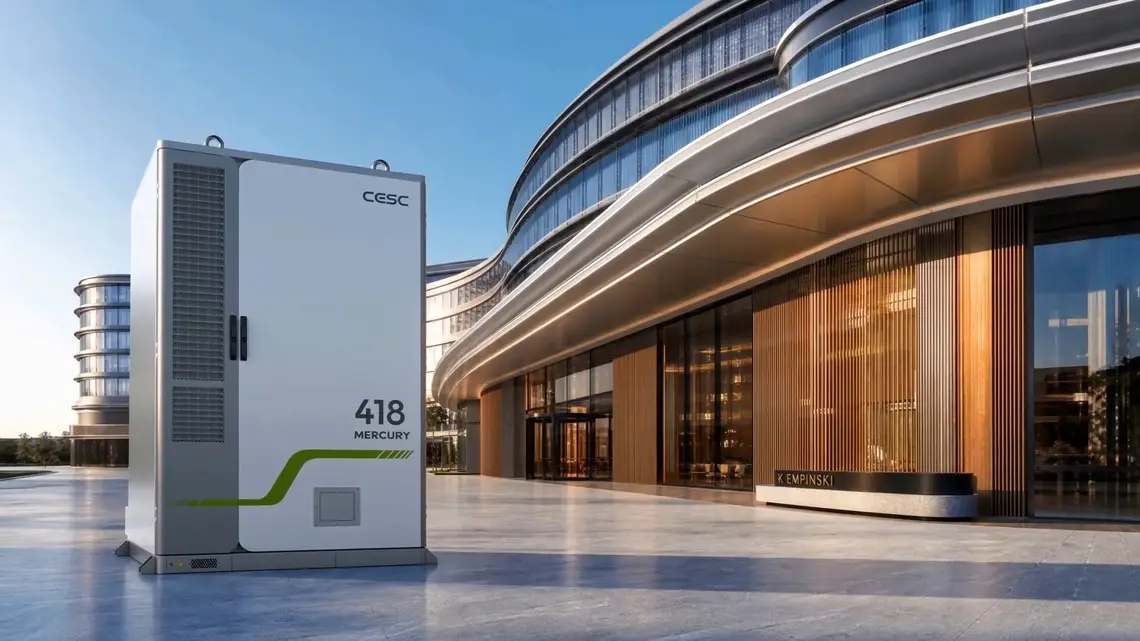
The BESS system reduces electrical demand peaks (peak shaving) and executes rate arbitrage: charges when energy is cheap and discharges when it is expensive, optimizing the real cost of energy month after month.
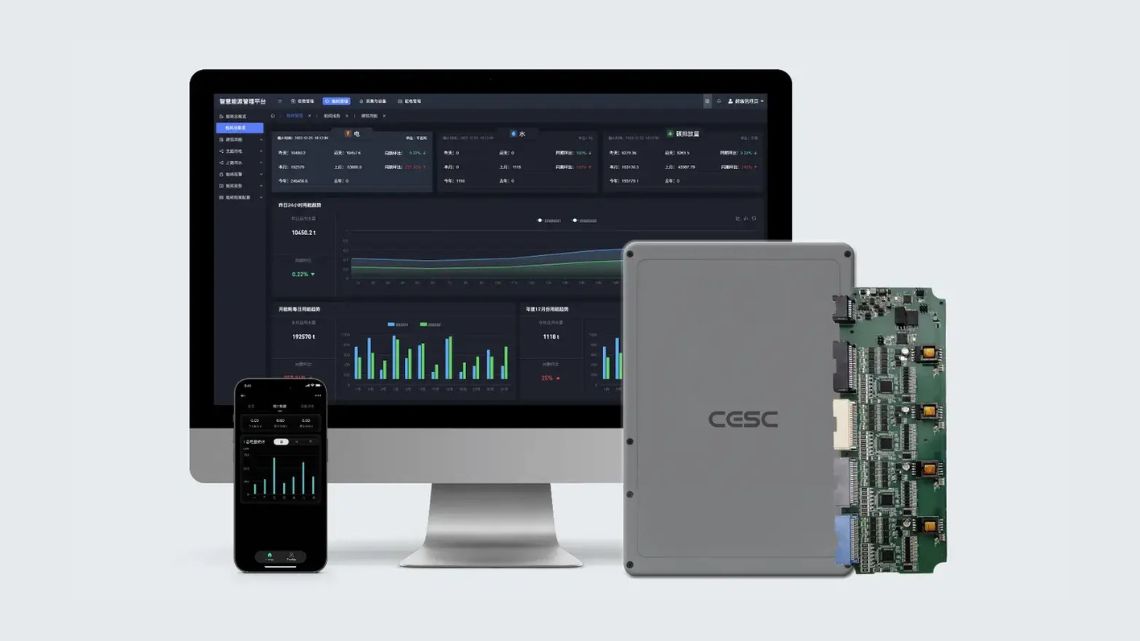
The Energy Management System operates at three levels: device, station and cloud. It learns the organization's consumption pattern, anticipates peaks and optimizes battery charge and discharge to maximize savings.

For critical operations, the BESS system acts as a high-capacity industrial UPS: it detects the electrical outage and switches in milliseconds, maintaining operation without interruption until power is restored.
CESC offers a complete line for commerce, industry and large-scale projects. Cynersis dimensions the correct system according to each client's consumption profile and objectives.
Integrated energy storage system with liquid cooling for commercial and industrial applications. 3-level safety, integrated BMS/EMS and VPP connectivity for total energy cost optimization.
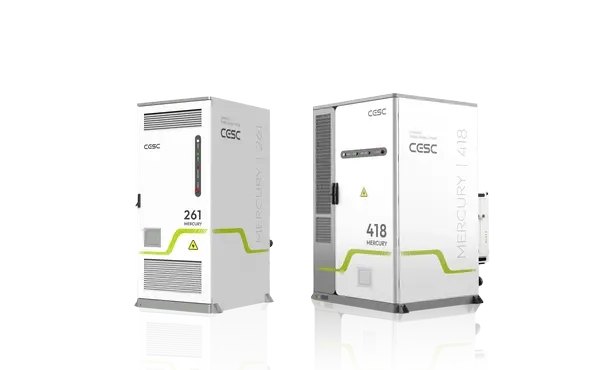
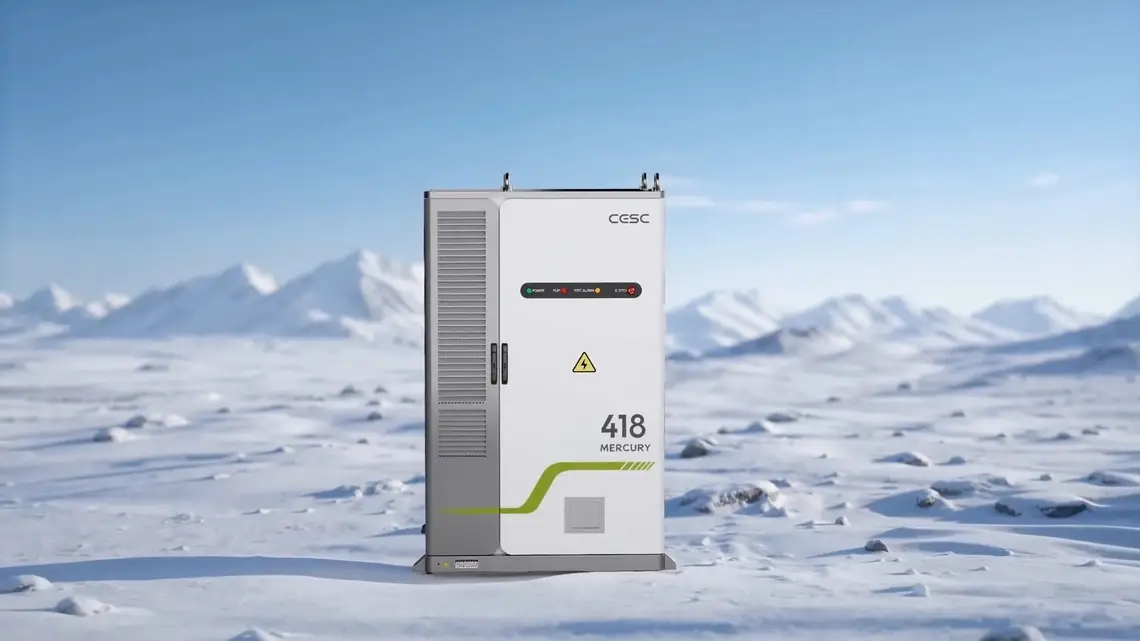
Higher capacity version of the Mercury line for industrial installations with greater demand. Same all-in-one architecture with liquid cooling and integrated EMS.
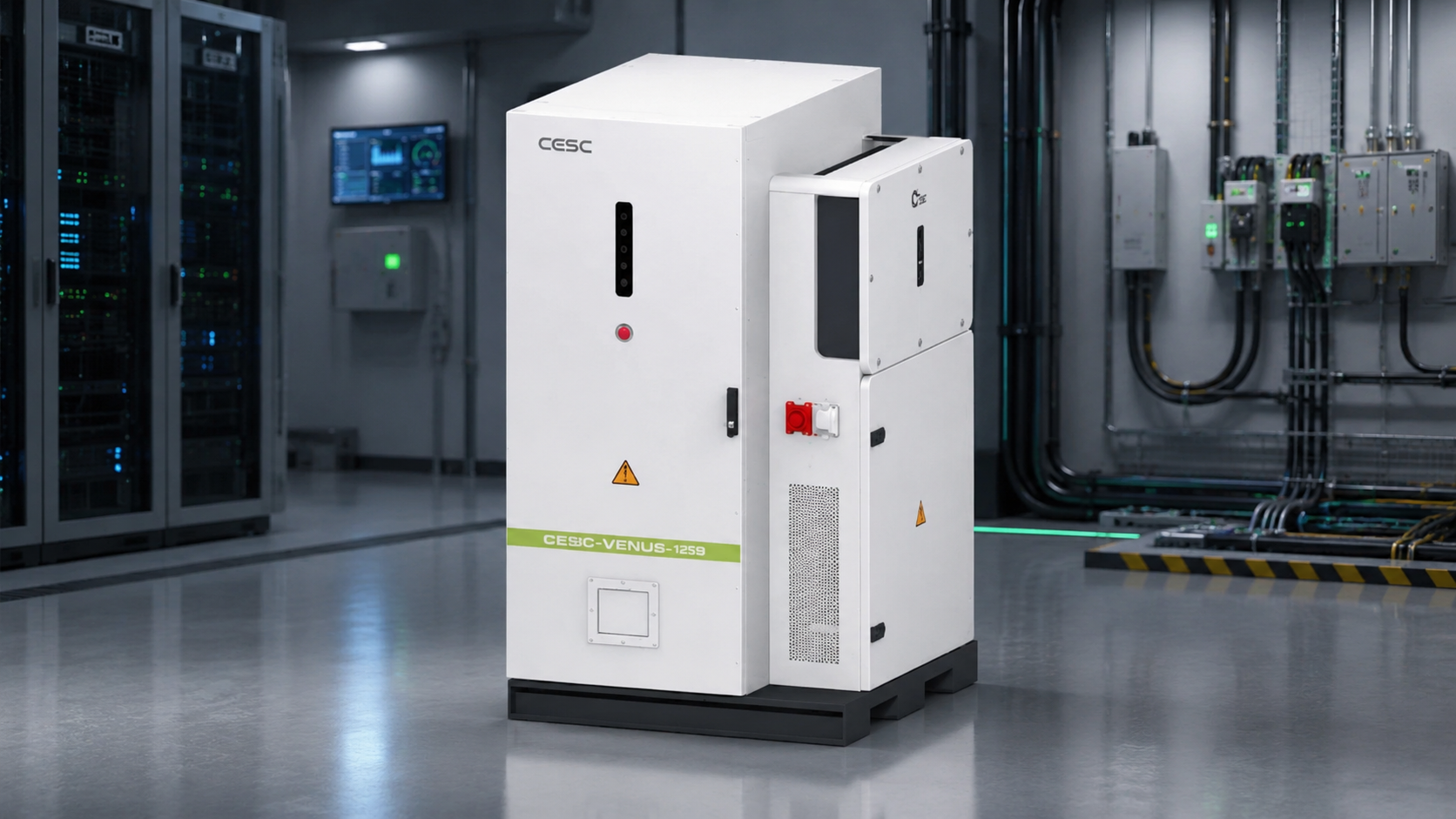
Solid-state system for operations where continuity is essential. "Triple-Zero" technology: no interruption, no electrolyte leakage, no combustion. Millisecond switching.
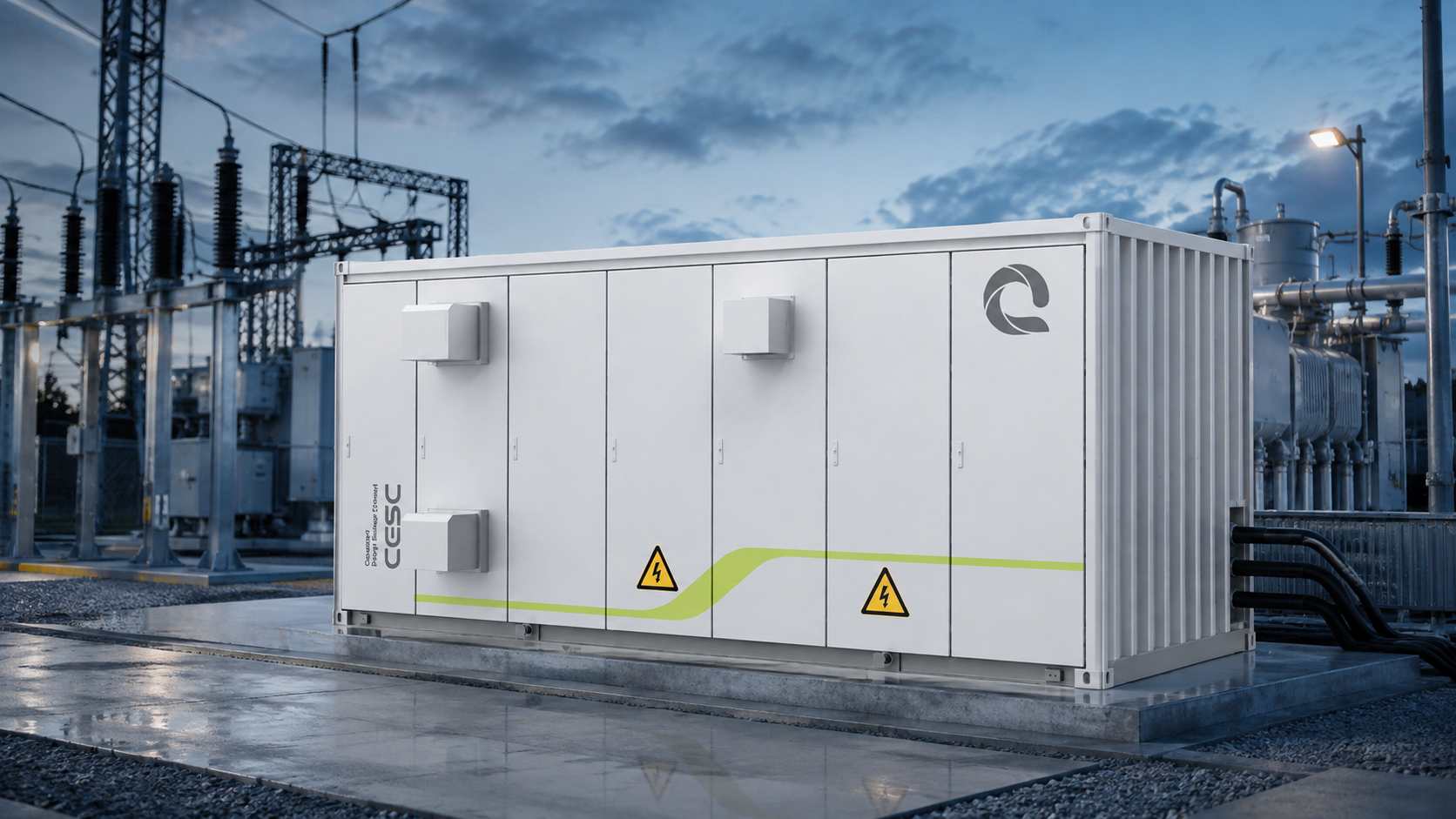
Pre-engineered systems for large industries or grid storage projects. Up to 5 MWh per unit, liquid cooling, standard container deployment.
Implementing a BESS system requires associated electrical work. Cynersis delivers the full project — engineering, equipment and electrical construction — with a single technical responsible and SEC regulatory compliance.
Cynersis performs the electrical work complementary to the BESS system: distribution panels, conduits, medium and low voltage cabling, and connection to the client's grid point. All under regulatory compliance and signed off by a qualified electrical engineer.
When the project requires physical space adaptations — concrete bases, trenches, enclosures or technical rooms — Cynersis coordinates and executes the necessary civil work so the client does not need to manage multiple contractors.
One team manages the energy survey, engineering, equipment supply, electrical installation and commissioning. The client receives a fully operational system with a unified warranty, without coordinating independent vendors.
The Cynersis process for energy begins by understanding your organization's real consumption before proposing any system.
The energy assessment is performed by an engineer certified in the ISO 50001 energy management standard. It is not a generic commercial evaluation: it is engineering based on the real data of your operation.
Before proposing a system, Cynersis delivers the conceptual engineering of the project: recommended BESS size, estimated monthly savings, total investment and projected payback. The client decides with numbers, not promises.
The project can be structured via leasing from 12 to 48 months. In many cases, the monthly savings generated by the system are comparable to the installment, allowing the investment to be financed with practically neutral cash flow from the first month.
Analysis of the real consumption profile: bills, maximum demands, operating hours and current rate structure. No cost at this stage.
BESS system sizing, operation strategy (peak shaving, arbitrage, backup) and projected monthly savings calculation.
Implementation proposal with total project cost, detailed payback and leasing financing options up to 48 months.
Installation, EMS configuration and BESS system commissioning with remote monitoring activation and operational tests.
Continuous monitoring of system performance, savings reports, EMS updates and local technical support in English.
Share your organization's consumption profile and Cynersis determines whether there is a real opportunity to reduce the electricity bill with BESS.
Cynersis delivers clear information for each area involved in evaluating an energy management project.
Seeks to reduce operational electricity costs, ensure production continuity in case of outages and have real-time visibility of the plant's energy consumption.
Needs the payback calculated with real data before approving the investment. The leasing financing option allows structuring the project with minimal cash flow impact.
Reducing consumption during peak hours and energy optimization directly contribute to energy efficiency targets and corporate sustainability reports (ISO 50001).
With your organization's electricity consumption profile, the Cynersis team performs an energy assessment and delivers conceptual engineering with estimated savings and projected payback. No cost at the evaluation stage.
The Cynersis team will review the information and coordinate the energy assessment shortly.